Blueprint to bulk order
From Blueprint to Distribution: The OEM and ODM Engineering Process
Turn your concepts into market-ready products with Qiaoboer’s streamlined 4-step engineering workflow. From 3D modeling and 15-day rapid prototyping to mass production and strict QC checkpoints, we ensure your brand’s vision is delivered with precision, speed, and full compliance.
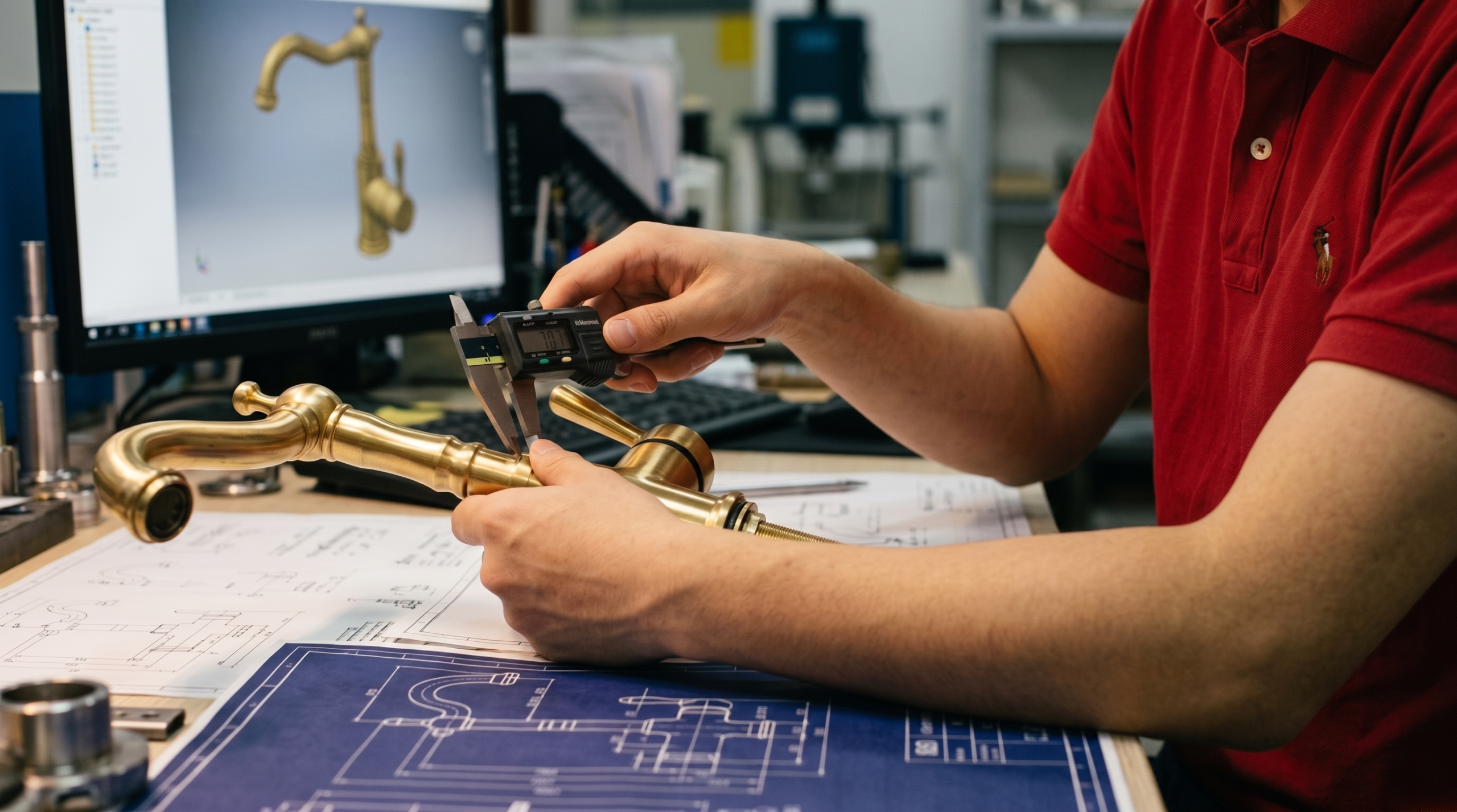
A Systematic Approach to Private-Mold Manufacturing
The structure below follows the same ordered story as the reference page, but the wording stays editable so you can swap in your exact SOP later.
-
NDA & Blueprint Auditing
- IP protection first. We sign a legally binding NDA before any CAD file sharing to secure your design ownership.
-
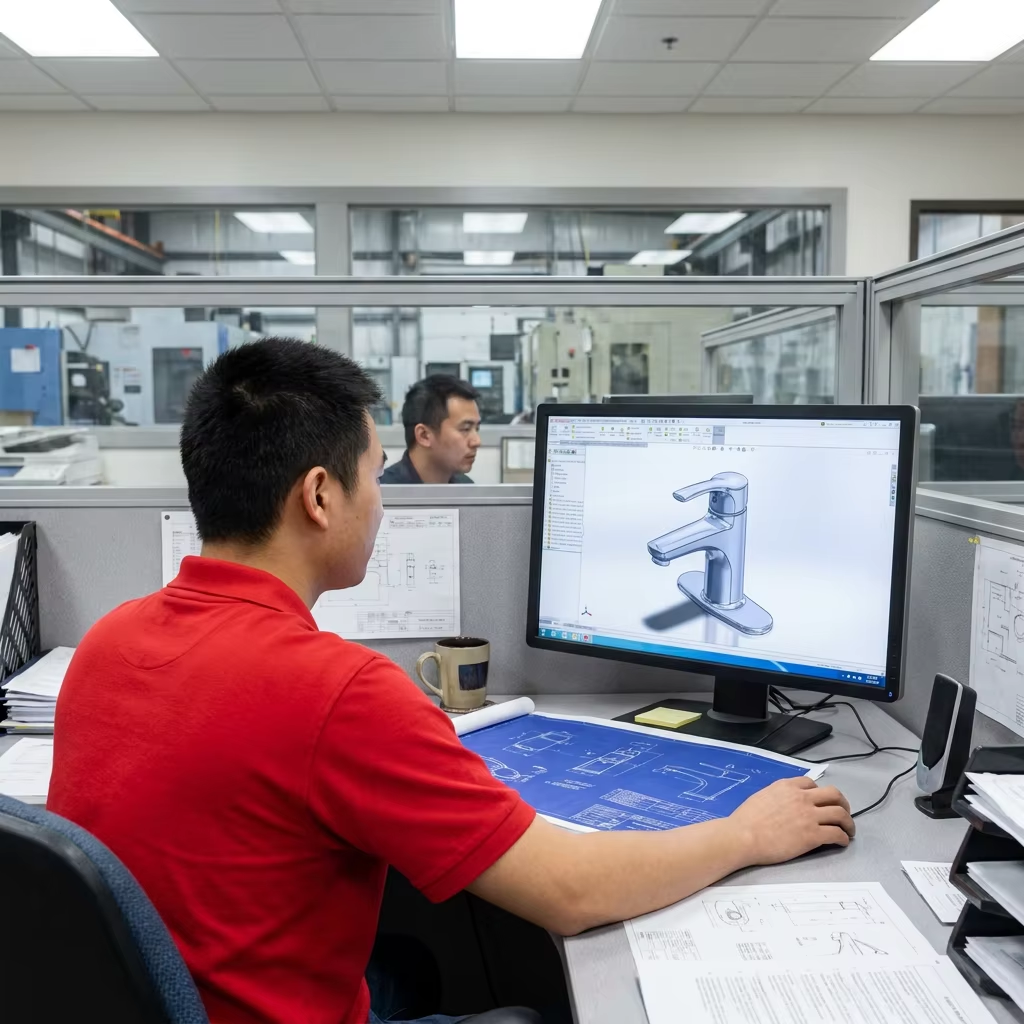
Step 2: 3D prototyping and material definition
- 15-day rapid prototyping. We use advanced CNC or 3D printing to validate shape, hand-feel, and installation logic before mold investment.
-
Step 3: Precision tooling and pilot run
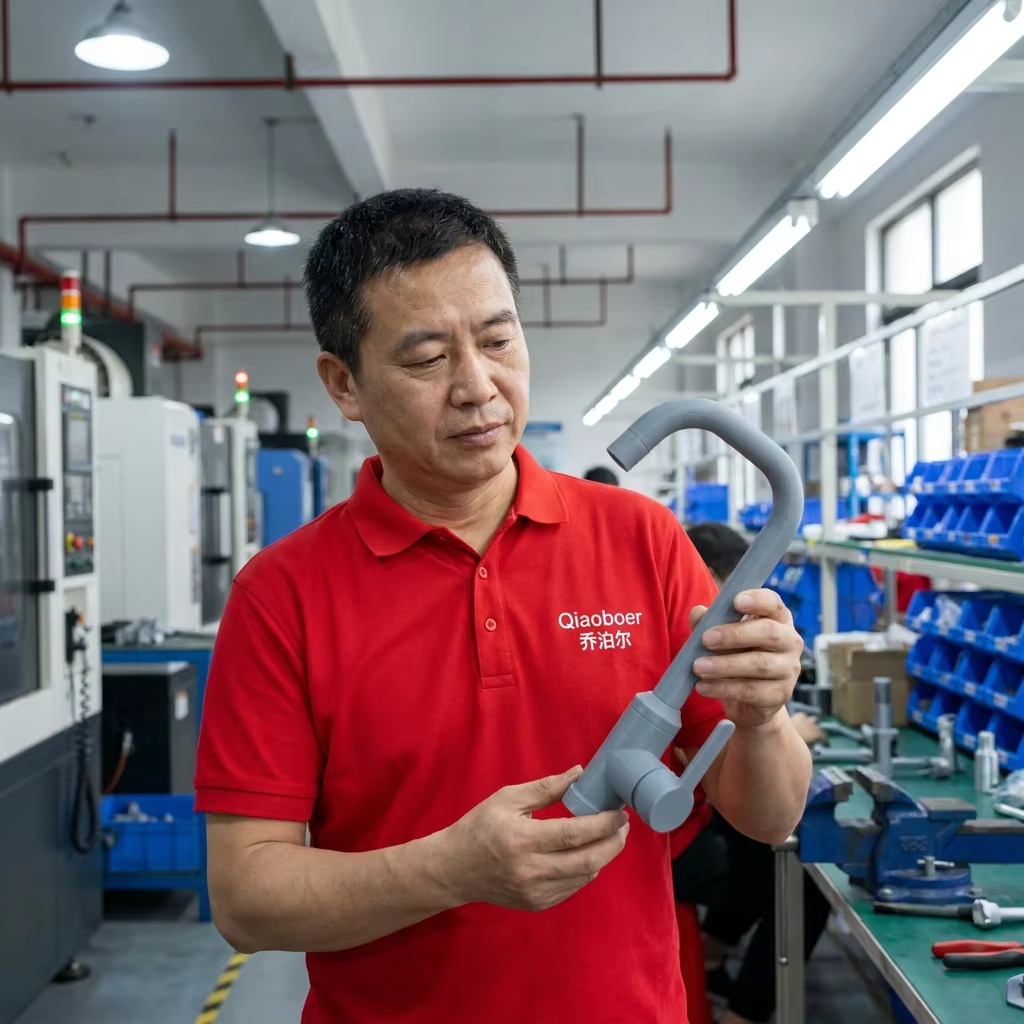
- High-precision mold development. We conduct pilot production runs to align MOQ, target costs, and finish quality before mass manufacturing.
-
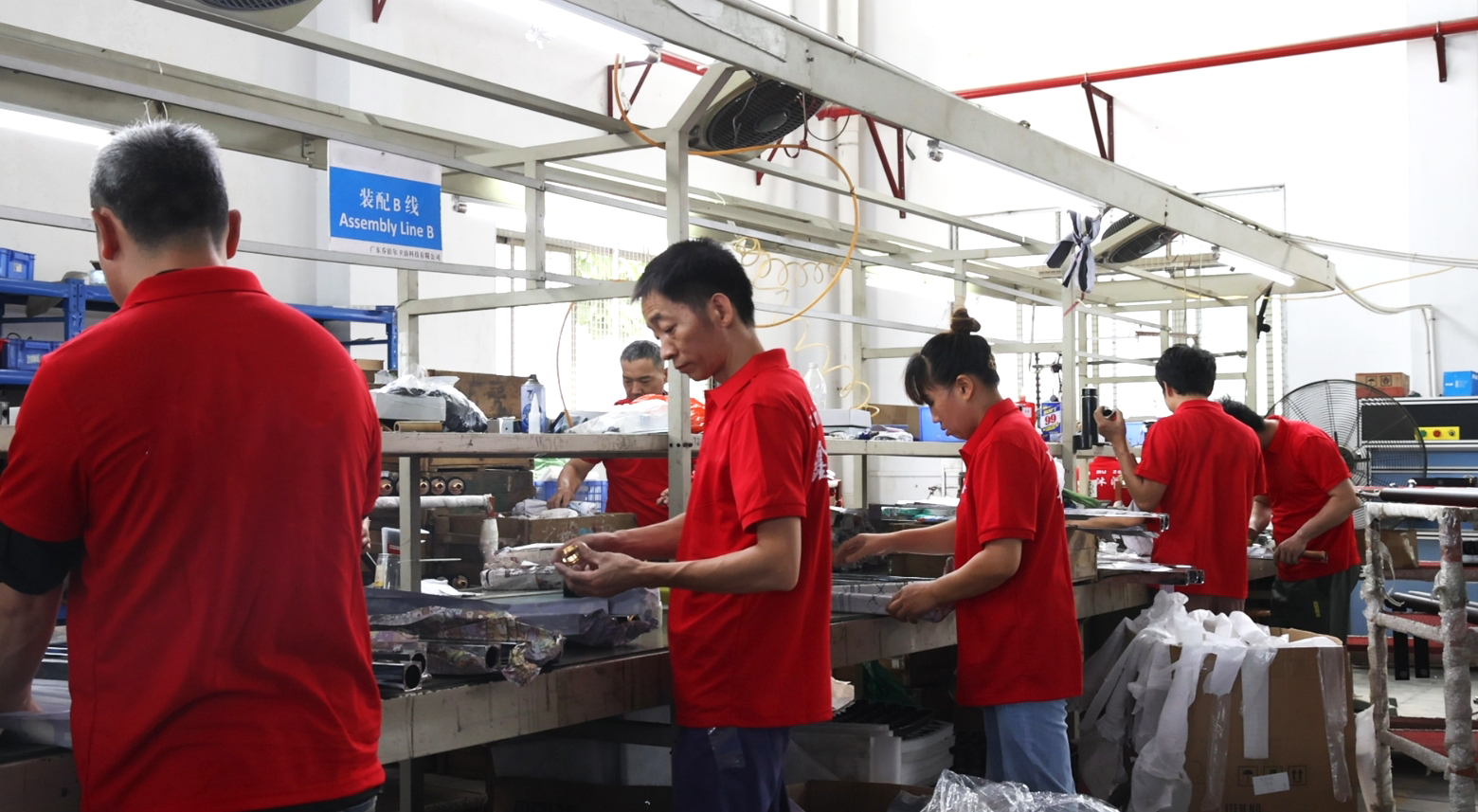
Step 4: Mass production and surface engineering
- Streamlined mass production. Our factory manages integrated processes including CNC machining, polishing, and PVD coating with batch-level consistency.
-
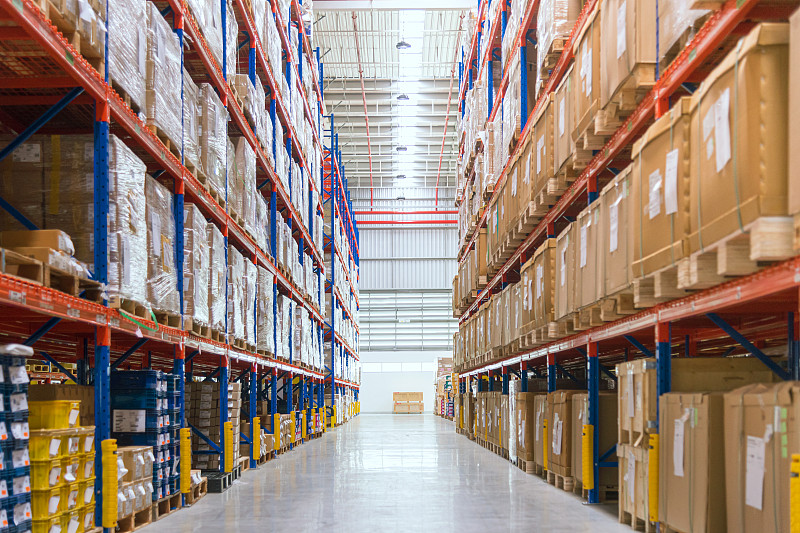
Step 5: White-label packaging and logistics
- Private-label packaging solutions. From branded manuals to export-ready consolidation, we ensure your products arrive safely and are ready for sale.
De-Risk Your Project: Engineering Confidence Before Production
Successful partnerships are built on transparency. We provide brand owners with detailed technical feasibility reports, early compliance audits, and clear commercial milestones to ensure your project stays on track, on budget, and on schedule
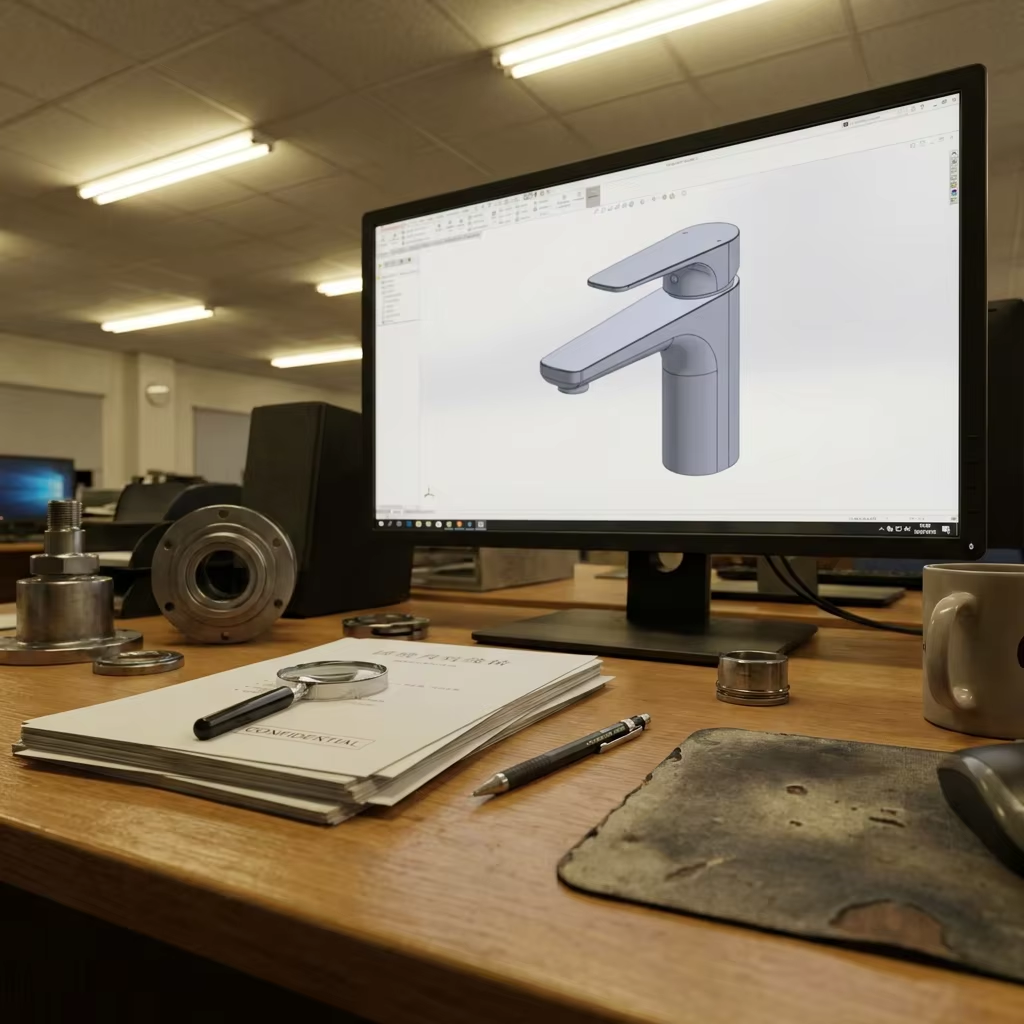
DFM-Focused Engineering
Every design undergoes a strict 'Design for Manufacturing' (DFM) review. We analyze structural integrity and material flow to prevent costly delays before tooling starts.
Pre-Compliance Integration
We integrate market-specific standards (cUPC, WRAS, NSF) from day one. By selecting certified components early, we ensure a smooth path to final product certification.
Full Commercial Transparency
No hidden costs. We provide a clear project roadmap with defined cost gates and lead-time milestones, giving you full visibility from tooling to mass production.
Frequently Asked Questions on OEM Manufacturing
Who owns the IP and the physical tooling for a custom project?
e respect and protect our clients' intellectual property. Once a project begins under an NDA, all unique designs and IP belong exclusively to the client. Regarding physical tooling, if the mold fee is paid by the client, the tooling remains the client’s property. We maintain and store it in our facility solely for your production, and it will never be used for any other customer without your written consent.
What timeframe should buyers expect from first drawing review to shipment?
Design & Audit: 2-3 days. Rapid Prototyping: Within 15 days from approved CAD files. Tooling & Mold Development: 30-45 days. Mass Production: 35-45 days. In total, a completely new private-mold program typically takes 3 to 4 months from concept to first shipment.
How are regional plumbing standards handled during development?
Compliance is integrated from Day 1. During the design review, we calibrate the faucet’s internal structure to meet specific mandates such as cUPC (North America), WRAS (UK), or WaterMark (Australia). We utilize certified internal components (e.g., Neoperl aerators and Kerox ceramic cartridges) to ensure the final product passes all flow rate and durability tests required by your local market.
What is the MOQ for a completely new private-mold program?
We pride ourselves on offering flexible MOQ structures tailored to your specific program. For our standard premium collections, MOQs typically start as low as 50–100 units per SKU, allowing you to maintain a lean inventory. For fully custom ODM projects involving unique tooling, MOQs are evaluated based on design complexity and material requirements. Our goal is to find the perfect balance between production efficiency and your market needs—contact our team to discuss a tailored solution for your brand.